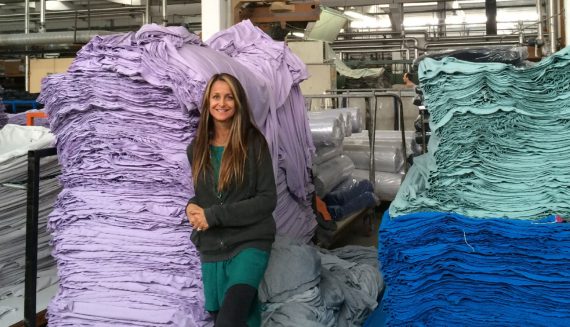
Marci Zaroff: The Woman We Have To Thank For Eco-Friendly Fashion
byMarci Zaroff is a force to be reckoned with! She not only helps the world by being more sustainable, but she’s the person who made green fashion happen. As in, literally.

Marci Zaroff is a force to be reckoned with! She not only helps the world by being more sustainable, but she’s the person who made green fashion happen. As in, literally.
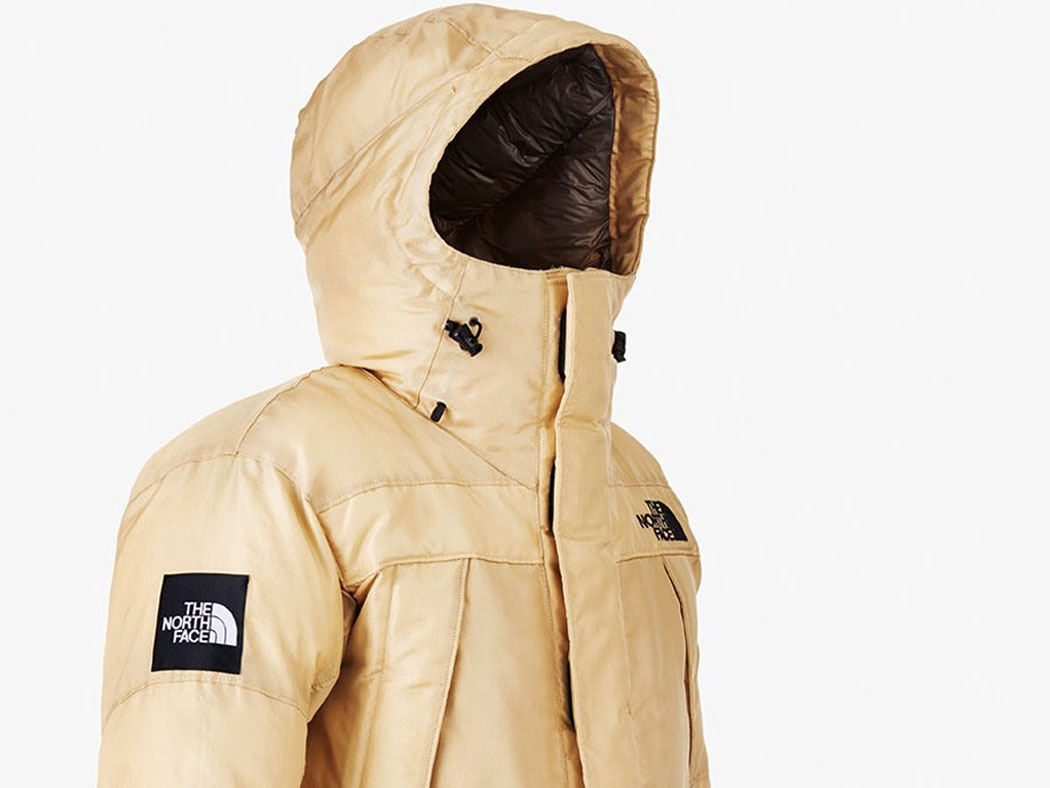
Five times stronger than steel, three times tougher than nylon or Kevlar, yet a fraction of the width of human hair, spider silk is one of the planet’s most valuable, if tricky to mass-produce, textiles.
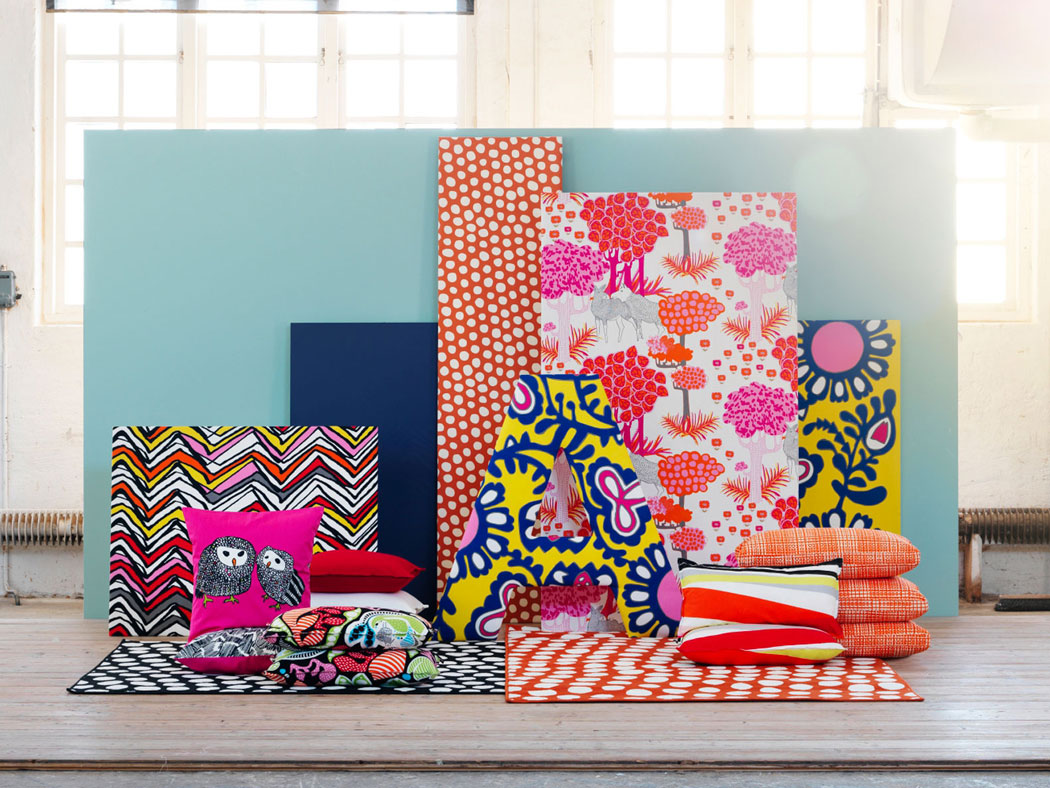
IKEA made history last month when it became the first major retailer to obtain 100 percent of its cotton from “more sustainable sources,” specifically farmers who “use less water, less chemical fertilizers, and pesticides,” according to the Swedish furnishings giant, which uses around 0.7 percent of the world’s cotton in everything from sofas to dishtowels.
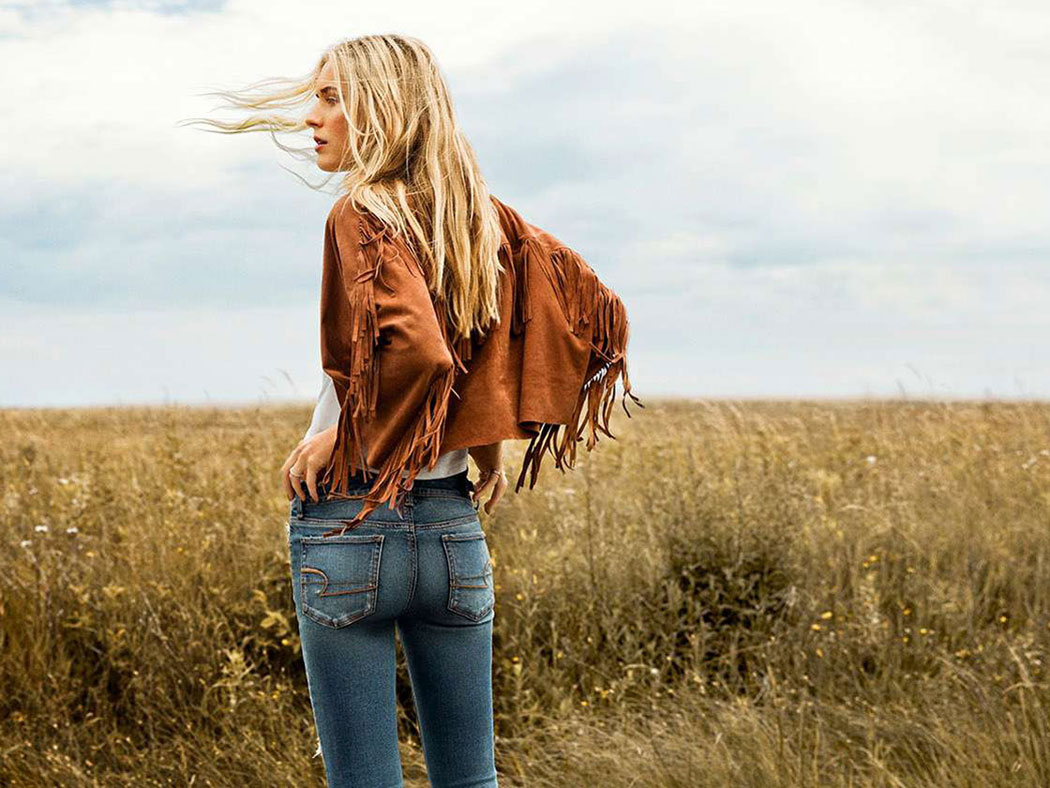
American Eagle’s latest line of jeans comes with a side of coffee—recycled coffee, that is.
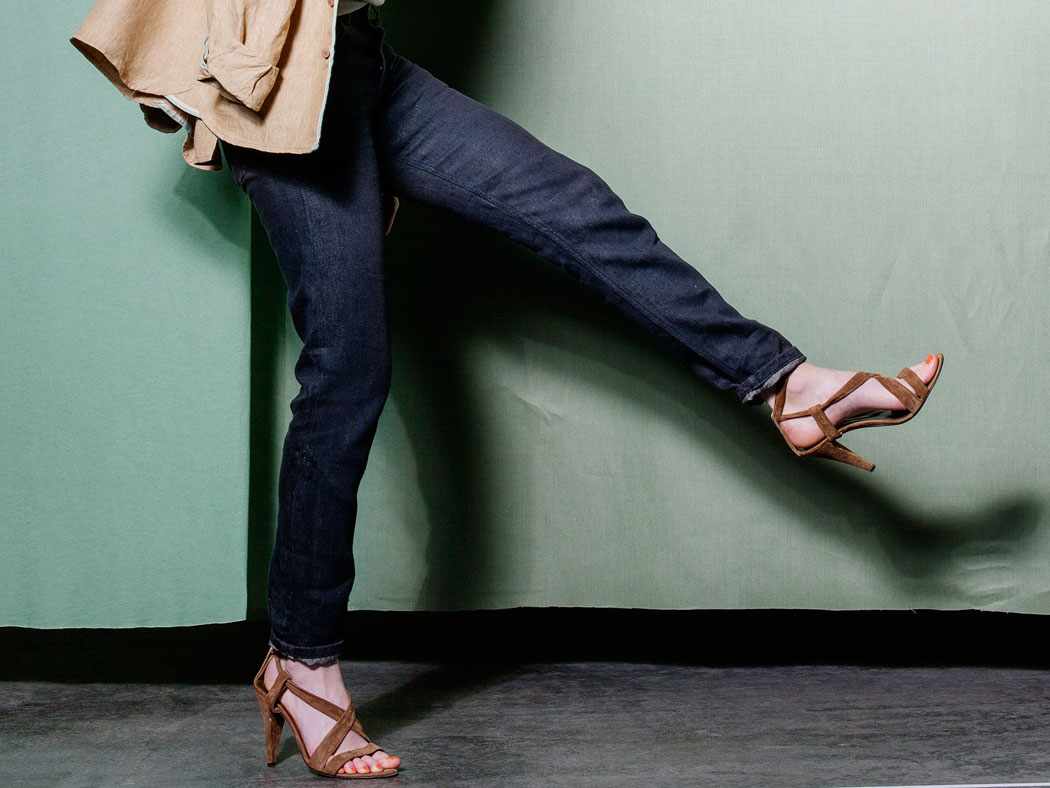
The world’s first 100 percent compostable denim jeans are coming your way. Part of Freitag’s “F-abric” line of European-grown and -produced workwear, the upcoming five-pocket design—dubbed the “E500″— is entirely cotton-free, comprising 81 percent linen and 19 percent hemp in a 19-ounce weight for men and a 17 ounce for women.
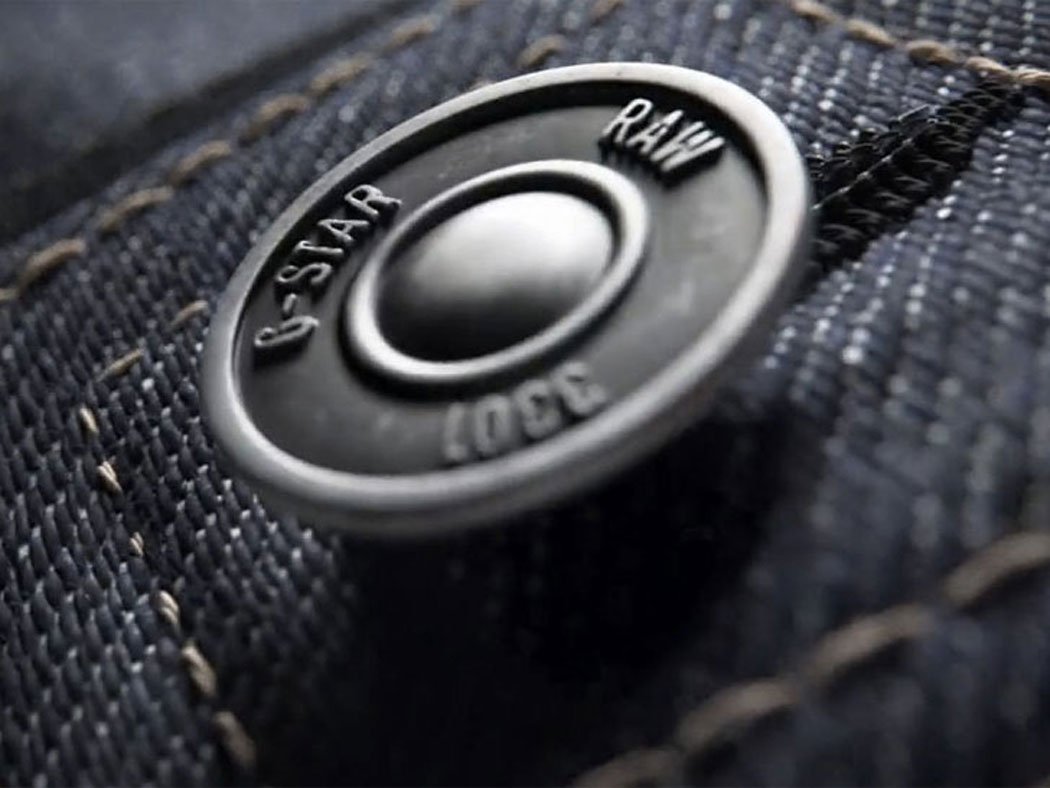
G-Star Raw, which previously collaborated with fashion and music mogul, Pharrell Williams on an line of ocean-plastic-derived apparel, has pledged to use only forest-friendly fibers in its rayon and viscose clothing.
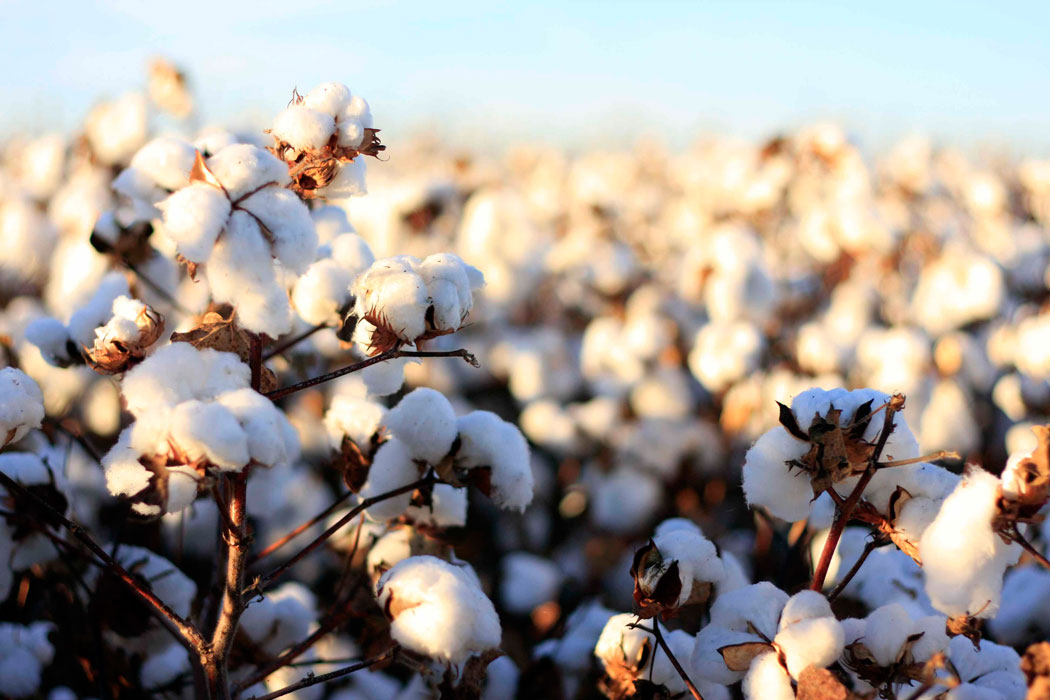
The Textile Exchange has just released a new study proving that organic cotton causes less environmental damage than conventional cotton.

ASOS, Levi Strauss, and Marks & Spencer are the latest clothing brands to connect with Canopy Style, a nonprofit that seeks to eliminate endangered-forest fibers from the garment supply chain.

Hana Mitsui, a Royal College of Art student, has developed a process to transform deadstock fabrics into luxurious new garments.
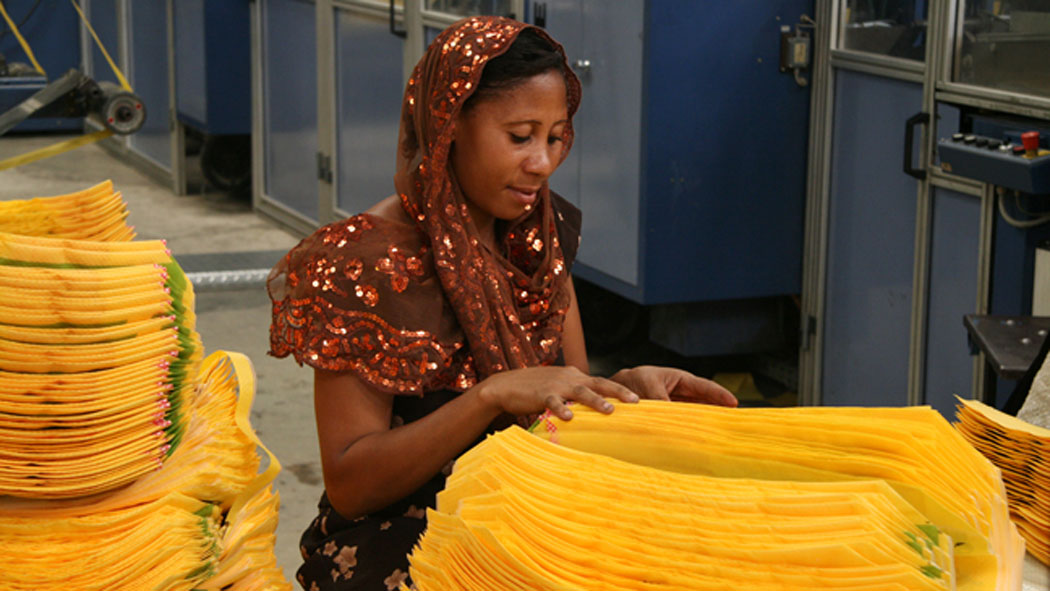
H&M is set to develop a “responsible” Ethiopian textile industry with the backing of Swedfund. Swedfund, a state-owned risk-capital firm that specializes in emerging markets, is throwing its financial clout behind the Swedish retailer in a partnership designed to develop a “responsible” Ethiopian textile industry.